
Lakewood, CA Insulation Contractor for Cooler, Cleaner, Lower-Bill Homes
Most Lakewood homes went up between 1950 and 1954, long before anyone expected central air. Now they run AC through ducts in shallow attics that can top 130°F on a September afternoon, under insulation that's thin, packed down, or chewed up by roof rats. The result is easy to spot: back bedrooms that never cool off, dusty air, and SCE peak-period bills that climb every summer. True Savings Insulation fixes that problem from the attic down. We remove what's failing, seal the gaps, and install insulation that's right for your house, with honest pricing and careful work.
We know Lakewood's tract homes. That means the low-pitch hip roofs in Lakewood Park, the larger customized houses near the Lakewood Country Club, and the garage conversions and patio enclosures you'll find from Mayfair to the Rynerson Park area. We know where insulation is usually missing, which eaves are hard to reach, and when popcorn ceilings or old duct wrap need testing before anyone disturbs them. Every job starts with a real look at your attic, not a guess.
- ✓Bonded
- ✓Fully insured
- ✓Free, no-pressure quotes
- ✓Financing available
- ✓Serving Lakewood and a 20-mile radius
- ✓Honest, upfront pricing
Request Your Free Estimate
No obligation. Fast, honest quotes.
Thank you — your request was sent!
A member of the True Savings Insulation team will reach out shortly. Need help now? Call 562-662-8314.
Why Lakewood Homes Need Better Insulation
Lakewood's mild reputation hides a tough combination for insulation: hot inland afternoons, 70-year-old tract construction, and AC systems that were added decades after these homes were built. Here's what that means for your attic, your comfort and your energy bills.
Coastal-Plain Climate With Inland Heat
Lakewood sits near sea level, about 6–8 miles inland from the Long Beach shoreline. Average August highs are in the low-to-mid 80s, but late-summer heat waves and Santa Ana winds regularly push afternoons into the 90s and sometimes past 100°F. Under a dark composition-shingle roof, a poorly vented attic can pass 130°F, and that's where most local homes keep their ductwork. Cool, damp May Gray and June Gloom mornings followed by strong afternoon sun create daily swings that pull attic air through every unsealed gap. Fall brings wildfire smoke and Santa Ana dust. Winter is short, but 40-degree mornings still show you which walls and raised floors have no insulation. Most of the year's 12–13 inches of rain falls between November and March, so ventilation and moisture control matter too.
A 1950s Tract-Home Housing Stock
Developers Mark Taper, Ben Weingart and Louis Boyar built more than 17,000 homes here in about four years, and the city incorporated in 1954. Most of those houses are one-story wood-frame ranch homes of 1,000–1,300 sq ft, with stucco exteriors, low-pitched gable or hip roofs, and small attics where clearance at the eaves is only a few inches. The original insulation, usually loose rock wool or early fiberglass, is often a fraction of today's levels, and many walls have none at all. Seventy years of reroofs, rewiring, HVAC installs, garage conversions and room additions have left gaps, flattened areas and uneven coverage. Roof rats, non-IC-rated can lights and too few eave vents are common too. Foundations vary by tract, with both slab and raised floors, so every house has to be checked on its own.
Permits, Title 24 and Safety Rules
Lakewood is a contract city, and permits and inspections run through its building and safety function, which works with LA County. California's Title 24 Part 6 Energy Code sets prescriptive insulation and air-sealing requirements for alterations and additions. HVAC changeouts with ducts in an unconditioned attic usually require duct sealing and third-party HERS verification. Requirements vary by California Energy Commission climate zone, and the coastal LA basin straddles zones, so we confirm yours by ZIP code. Asbestos-containing materials, such as some popcorn ceilings, old duct wrap and possible vermiculite, can only be disturbed after a survey and proper abatement under South Coast AQMD Rule 1403 and Cal/OSHA rules. Nearly every original Lakewood home was built before 1978, so lead-safe practices apply as well. Most neighborhoods have no HOA, but condo and townhome complexes may need board approval.
Who We Help in Lakewood
Lakewood's roughly 80,000 residents include two big groups of homeowners. Long-time owners and retirees, many on fixed incomes, want comfortable rooms and predictable bills. Younger families and first-time buyers paid a premium for small 1950s homes and are adding AC, converting garages and remodeling while trying to keep SCE and SoCalGas costs in check. Both groups tell us the same things matter: clear pricing, a bonded and insured crew, healthier indoor air after rodent cleanup, and proof that the work actually made the house cooler. SCE and SoCalGas rebates and the federal 25C tax credit have covered insulation and air sealing in the past. Programs change often, so we help you check what's currently available.
Common Insulation Problems in Lakewood Homes
After 70 years, most Lakewood attics have more than one of these problems. Some just waste money, and others affect your health or safety. Here's what we find most often, why it happens in this city's housing stock, and what it takes to fix each one properly.
Rodent-Contaminated Attic Insulation Emergency
Roof rats and mice nest in attic insulation, leaving droppings and urine and tunneling through it. Contaminated insulation loses much of its R-value, smells, and can carry pathogens into living spaces through ceiling gaps and leaky return ducts.
Why it's common hereRoof rats are widespread in older LA County neighborhoods, and Lakewood's mature trees, citrus, ivy and block walls give them easy routes to the roof. Gaps at eaves, dislodged vent screens and openings left by decades of reroofs and cable installs let them in. Once they're inside, the loose, low-loft insulation in 1950s attics is ideal nesting material. Because so many homes have AC returns and ducts in the attic, contaminated air can be pulled into living areas. That's a serious concern for families with kids and for older residents.
Signs you'll notice- Scratching or scurrying overhead at night
- Droppings visible near the attic hatch or in the garage
- Tunnels, flattened trails or nests in the insulation
- Musty or ammonia-like odor in hallways or closets
- Chewed wiring, duct wrap or flex duct
- Gnawed vent screens at the eaves
We see this across the original tract core in Lakewood Park and around the Bolivar and Del Valle Park areas, where mature landscaping touches rooflines. It's also common in homes backing onto greenbelts near the San Gabriel River and Rynerson Park.
Our fix: Full vacuum removal of contaminated insulation, cleanup and sanitizing, coordination on sealing entry points, then air sealing and new blown-in insulation to current levels.
Thin, Packed-Down Original Attic Insulation Serious
This is the original 1950s rock wool or early fiberglass that has settled, compressed or been pushed aside over the decades. It often sits at a few inches deep, far below today's R-30 to R-38 targets, which leaves the ceiling as the biggest heat source in summer.
Why it's common hereLakewood's homes went up fast in the early 1950s, when insulation standards were minimal and central air wasn't expected. Since then, roofers, electricians, cable installers and HVAC crews have crawled through these cramped attics, packing insulation down and leaving bare patches. Shallow low-pitch roofs make the eaves hard to reach, so they're often the thinnest spot. With attic air above 130°F on hot afternoons, a thin ceiling layer lets heat pour straight into the rooms below.
Signs you'll notice- You can see ceiling joists above the insulation
- Insulation is gray, dusty or matted flat
- Ceilings feel warm to the touch on summer afternoons
- Back bedrooms run several degrees hotter than the front
- AC runs almost nonstop from 4 to 9 p.m.
- High SCE bills during time-of-use peak hours
This is nearly universal in original tract homes in Lakewood Park, Carson Park, Mayfair and Lakewood Gardens. Homes that were reroofed without attic work done at the same time are especially likely to have bare areas near the eaves.
Our fix: Remove or level the old material, air seal top plates and penetrations, then blow in new insulation to the R-value your climate zone requires, including full eave coverage.
Leaky or Damaged Attic Ductwork Serious
Flex ducts and joints in the attic that are disconnected, kinked, crushed, or wrapped in deteriorated insulation. Cooled air leaks into the hot attic or picks up heat on the way, so rooms get warm air even though the AC is running.
Why it's common hereMost Lakewood homes had AC added years after they were built, so the ducts were squeezed into shallow attics wherever they would fit. Older duct wrap breaks down in extreme attic heat, joints loosen, and rodents chew through liners. Leaky return ducts also pull dusty, sometimes contaminated attic air back into the house. Under Title 24, ducts in an unconditioned attic usually need sealing and HERS verification when the HVAC system is replaced.
Signs you'll notice- Weak airflow at the farthest registers
- Dust streaks around supply registers
- Rooms that never reach the thermostat setting
- Visible gaps, tears or disconnected runs in the attic
- Crushed or kinked flex duct
- Brittle, flaking duct wrap
This is common wherever AC was retrofitted, which describes most of the city. We find it especially often in homes along the Del Amo Blvd and Lakewood Blvd corridors that have had more than one HVAC changeout.
Our fix: Document the duct issues we find during the inspection, seal accessible joints, coordinate repairs with your HVAC contractor, and make sure new insulation doesn't crush or bury the ducts.
Possible Asbestos or Vermiculite Serious
Materials from this era that may contain asbestos, including popcorn ceilings, old duct tape and wrap, some insulation types, and pebbly gray-brown vermiculite. They're generally stable when left alone, but they can release fibers if they're disturbed during insulation work.
Why it's common hereLakewood's housing stock dates almost entirely to the early 1950s, when asbestos-containing materials were common in residential construction. Many homes still have original acoustic ceilings and duct wrap. South Coast AQMD Rule 1403 and Cal/OSHA require a survey and proper abatement before suspect materials are disturbed, so these need testing before anyone starts removing insulation.
Signs you'll notice- Popcorn or textured acoustic ceilings
- White or gray paper-like wrap on old ducts
- Loose, pebble-like gray-brown insulation
- Crumbling material around old heater flues
- Original 1950s ceilings that have never been remodeled
We see this most in largely original homes in Lakewood Park, the Mae Boyar Park area and the Biscailuz Park area, often owned by the same family for decades with ceilings and attics that were never updated.
Our fix: Stop before disturbing anything suspect, arrange testing, and have a licensed abatement firm handle any positive materials before insulation work begins.
Unsealed Ceiling Openings and Non-IC Can Lights Moderate
Gaps around top plates, plumbing stacks, wiring holes, attic hatches and old recessed lights let attic air move into your home. Non-IC-rated can lights also have to be kept clear of insulation or replaced, which leaves cold or hot spots.
Why it's common hereLakewood's daily cycle of damp marine-layer mornings and hot afternoons constantly pushes air through these openings. In fall, wildfire smoke and Santa Ana dust come in the same way. Remodels from the 1970s through the 1990s added recessed lights that usually aren't IC-rated, and 1950s wiring often needs an electrician to look at it before insulation can safely cover it.
Signs you'll notice- Dust lines on carpet edges or around light fixtures
- Smoke smell indoors during fire season
- Drafts from the attic hatch
- Older recessed cans that feel hot
- Insulation pulled back around fixtures
- Dark staining on insulation above gaps
This is common in remodeled homes around Lakewood Center and in the larger customized houses of Lakewood Estates, which often have more recessed lighting and more ceiling penetrations.
Our fix: Seal penetrations and top plates, insulate and weatherstrip the attic hatch, and install code-required covers or recommend IC-rated replacements before adding insulation.
Hot or Cold Garage Conversions, Additions and Patio Rooms Moderate
These are converted garages, room additions and enclosed patios built with little or no insulation in the walls, ceiling or floor. They overheat in summer, feel cold on winter mornings, and often sit outside the main home's AC zone.
Why it's common hereConverting garages and enclosing patios is a common way for Lakewood families to add space to a 1,100 sq ft home. Many of these projects went in decades ago, sometimes without permits, using thin framing and minimal or no insulation. Their low-slope roofs and shallow framing leave little room for batts, which makes spray foam a practical option.
Signs you'll notice- Room is 10°F or more off from the rest of the house
- Walls feel hot on summer afternoons
- Window units run constantly
- Cold floors on winter mornings
- Noticeably more outside noise than other rooms
We see these often in the Monte Verde, Palms Park and Del Valle Park areas, and in homes near the I-605 and SR-91, where converted rooms also let in road noise.
Our fix: Closed-cell or open-cell spray foam, or dense-pack where the walls are accessible, plus air sealing so the space performs like the rest of the house.
Uninsulated Raised Floors and Crawl Spaces Minor
Homes on raised foundations with no insulation under the subfloor. Cool crawl space air chills the floors in winter, and gaps around pipes and ducts let in musty air and pests.
Why it's common hereLakewood's tracts include both slab and raised-floor homes. Raised-floor homes from the 1950s rarely had any underfloor insulation. Winters are short, but mornings in the 40s make bare floors noticeably cold, especially for older residents. Crawl spaces also collect moisture during the November–March rains if the vents are blocked.
Signs you'll notice- Cold floors on winter mornings
- Musty smell from floor registers
- Drafts around baseboards
- Fallen or sagging old batts under the floor
- Rodent activity in the crawl space
This depends on the tract, but we see it often in older raised-floor homes in the north and east sections and in nearby Lakewood Village, where the housing stock is similar.
Our fix: Remove fallen or damaged material, seal floor penetrations, and install properly supported underfloor insulation without blocking crawl space ventilation.
Insulation Services for Lakewood Homes
Every service below is planned around the way Lakewood homes are actually built: shallow attics, retrofitted ducts, mixed foundations, and decades of add-ons. We'll recommend only what your house needs, explain why, and give you a clear written price before any work starts.
Attic Insulation ⭐ Specialty
We bring your attic up to modern R-values, with full coverage all the way to the eaves. This is the single most effective way to cut summer heat gain and peak-hour cooling costs in a Lakewood home.
Our approachWe inspect insulation depth, ventilation, ducts and fixtures. Then we air seal top plates and penetrations, install baffles where needed, and add insulation to your climate zone's Title 24 target, with depth markers so you can verify the result.
In Lakewood, CALakewood's low-pitch roofs leave very little clearance at the eaves, and that's exactly where coverage usually fails. Our crews work these tight spaces carefully so the edges of your ceiling, often above back bedrooms, get the same protection as the middle.
Best for: Homeowners with hot back bedrooms, high SCE summer bills, thin original insulation, or a new AC system that can't keep up.
Spray Foam Insulation ⭐ Specialty
We apply open-cell or closed-cell spray foam to insulate and air seal in a single step. It's ideal for tight cavities, rooflines and spaces where batts or blown-in material won't perform well.
Our approachWe choose the foam type based on the space and the goal, then prep and protect the surrounding areas, apply it to the specified thickness, and trim and clean up. We'll explain where spray foam makes sense and where a lower-cost option works just as well.
In Lakewood, CAIt's especially useful for Lakewood garage conversions, enclosed patios and low-slope additions with shallow framing. It also helps rooms near the I-605, SR-91, I-405 and the Long Beach Airport approach, where sealing gaps cuts both drafts and noise.
Best for: Converted garages, additions, low-slope roofs, and rooms affected by noise or air leaks.
Blown-In Insulation
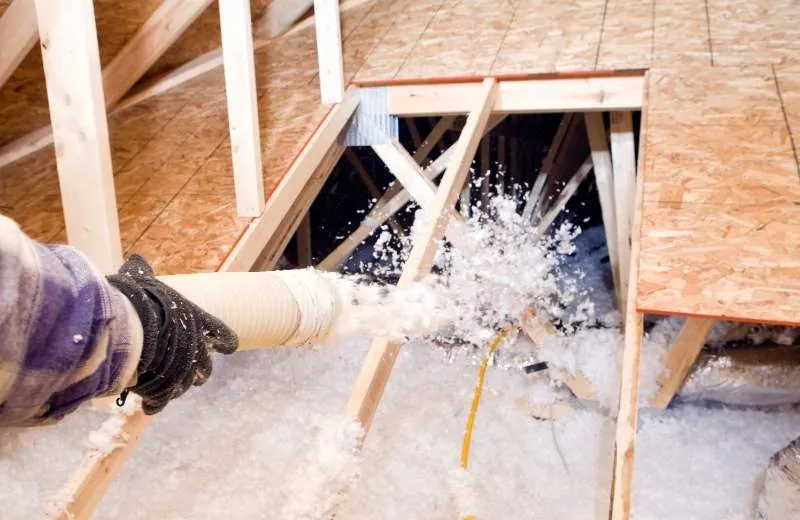
We install loose-fill fiberglass or cellulose that fills around joists, wiring and obstructions for even, gap-free coverage. It's a cost-effective way to raise attic R-value in most Lakewood homes.
Our approachAfter air sealing, we blow material to a consistent depth, keep it clear of non-IC fixtures and combustion vents, install attic hatch dams, and document the final depth.
In Lakewood, CAIt works well for Lakewood's cramped attics because the material can be blown into eave areas a crew can't safely crawl into. That makes it a good fit for the original 1950s tracts across the city.
Best for: Most attic upgrades, homes with patchy or settled insulation, and budget-minded homeowners who want the biggest comfort gain for the money.
Crawl Space Insulation
We insulate under raised floors to warm cold winter floors and seal the gaps that let musty crawl space air and pests into your living space.
Our approachWe inspect for moisture, rodents and fallen material, remove debris, seal floor penetrations, and install properly supported underfloor insulation without blocking foundation vents.
In Lakewood, CALakewood has a mix of slab and raised-floor homes, so we confirm your foundation type first. For raised-floor homes, this is an affordable fix for those 40-degree winter mornings.
Best for: Raised-floor homes with cold floors, musty odors, or old batts that have fallen down.
Insulation Removal
We vacuum out contaminated, damaged or failing attic insulation, along with rodent droppings and debris, so your attic is clean before anything new goes in.
Our approachWe use high-powered vacuum removal bagged at the truck, protect your living space, clean the attic, and treat affected areas. We stop and arrange testing if we find any suspect asbestos or vermiculite.
In Lakewood, CARoof rat contamination is the most common reason Lakewood homeowners call us for removal. Clearing the old material also lets us properly air seal and inspect the ducts and wiring that were hidden underneath.
Best for: Rodent-damaged attics, smoke- or water-damaged insulation, and homes preparing for a full upgrade.
Insulation Replacement
Our complete start-over service: removal, cleanup, air sealing, and new insulation to current standards. It's the approach we recommend when a quick blow-over would only bury existing problems.
Our approachWe combine removal, sanitizing, sealing of penetrations and top plates, an attic hatch upgrade, and new blown-in or batt insulation into one planned project with one price.
In Lakewood, CAMany Lakewood homeowners get cheap offers to blow new insulation over the old layer. In a 70-year-old attic with droppings, leaky ducts and open top plates, replacement is usually the better long-term value.
Best for: Older, contaminated or heavily disturbed attics, and homeowners who want the job done right once.
Insulation Installation
New insulation for walls, ceilings, additions, remodels and exposed framing, using batts, blown-in or spray foam depending on access and goals.
Our approachWe match the material to the cavity and the R-value requirement, fit it carefully around wiring and boxes, and coordinate with your remodel schedule and any permits or inspections.
In Lakewood, CAGarage conversions, room additions and kitchen remodels in Lakewood often open up walls that were never insulated. That's the most affordable time to insulate them to Title 24 standards.
Best for: Remodels, additions, garage conversions, and any project where the walls or ceilings are already open.
Our Insulation Process, Step by Step
We keep it simple and predictable. You'll know what we found, what we recommend, what it costs, and what to expect on the day of the work, from the first visit to the final walkthrough.
Free In-Home Assessment
- Attic, crawl space and problem-room inspection
- Insulation depth and condition measured
- Ducts, ventilation, can lights and rodent signs checked
- Photos taken so you can see what we see
Local note: We note any popcorn ceilings, old duct wrap or vermiculite that may need testing, and we confirm your foundation type, since Lakewood tracts vary.
Clear Written Proposal
- Itemized scope and price
- Options compared, such as top-off vs. full replacement
- Notes on permits or HERS requirements if they apply
- Financing options explained
Local note: We help you check current SCE, SoCalGas and federal 25C incentives, since program availability changes.
Prep and Scheduling
- Asbestos testing arranged if suspect materials are present
- Permit coordination with the city when required
- Work date and arrival window confirmed
- Your home's protection plan reviewed
Local note: In late summer we try to schedule attic work for the cooler morning hours, because these attics get dangerously hot by afternoon.
Installation Day
- Floors, walkways and belongings covered
- Old material removed and attic cleaned if included
- Air sealing, baffles and fixture protection installed
- New insulation installed to the specified depth
Local note: We take extra care at the low eaves of Lakewood's hip and gable roofs, where coverage matters most.
Walkthrough and Follow-Up
- Before-and-after photos reviewed with you
- Insulation depth markers shown
- Job site cleaned
- Paperwork provided for rebates or tax credits
Local note: Keep your bills handy. Most homeowners notice the difference by the next heat wave.
Why Lakewood Homeowners Choose True Savings Insulation
We Know Lakewood's Tract Homes Inside and Out
Lakewood homes have a lot in common: 1950s framing, low-pitch roofs, tight eaves, AC ducts added later, and decades of remodels layered on top. Knowing those patterns lets us find problems faster and quote more accurately. We know where insulation usually goes missing, why back bedrooms overheat, and which conditions need testing before anyone touches them. You get a recommendation based on how your house was actually built, not a one-size-fits-all package designed for a newer subdivision somewhere else.
Bonded and Insured for Your Protection
Insulation work means people in your attic, around your wiring and over your ceilings. True Savings Insulation is bonded and insured, so you're protected if something unexpected happens. We encourage every homeowner to check any contractor's license, bond and workers' comp status on the California CSLB website before hiring. We're glad to provide our documentation so you can confirm everything yourself before work begins.
Honest Pricing, In Writing
You'll get a clear, itemized proposal that shows what's included, what's optional and why. If a simple top-off will do the job, we'll tell you. If your attic needs removal first because of rodent contamination or failed insulation, we'll show you photos and explain the difference. There are no vague line items and no pressure tactics, just the information you need to make a smart decision for your home and budget.
Prep Work Done Right, Not Skipped
The cheapest insulation offers often blow new material right over droppings, open top plates and leaky ducts. That buries the problems instead of solving them. We air seal penetrations, protect non-IC fixtures, install baffles, add hatch dams and keep insulation clear of combustion vents. It's the unglamorous work that determines whether your home actually feels cooler and whether your indoor air gets cleaner, so we don't cut corners on it.
Focused Insulation Specialists
Insulation is our main focus, not a side service. Whether you need attic insulation, spray foam for a garage conversion, crawl space work, or full removal and replacement, you're working with a team that does this every day. That focus means better material choices, cleaner installs, and realistic advice about which options give you the most comfort per dollar in a Lakewood home.
Help Navigating Code and Incentives
Title 24, HERS verification, climate zones, permit triggers and changing rebate programs confuse a lot of homeowners, especially when insulation is part of an HVAC changeout or reroof. We'll explain what applies to your project, coordinate with the city when permits are needed, and give you the documentation you need to apply for available SCE, SoCalGas or federal tax credit programs.
Financing to Fit Your Budget
A comfortable home shouldn't have to wait. Financing is available, so you can complete a full attic upgrade before summer instead of piecing it together over several years. That's helpful for retirees on fixed incomes and for young families already juggling a mortgage and a remodel. We'll go over the options with your quote so you can compare monthly costs against your expected energy savings.
Trusted by Lakewood Homeowners
Lakewood homeowners call us when they want straight answers about their attic, fair pricing, and a crew that treats their home with care from the first visit to the final walkthrough.
Bonded • Insured • Financing available
Insulation Services Throughout Lakewood
We work in every part of Lakewood, from the original tract streets to the larger custom homes and the busy commercial corridors. Each neighborhood has its own housing quirks, and we plan every job around the home in front of us.
Original Tract Core and Central Lakewood
East Side and River Neighborhoods
Park Neighborhoods and Southern Lakewood
We're based in Lakewood and serve homes within about a 20-mile radius. If you're outside the city, call to confirm we can reach your address. Not sure if we cover your area? Call (562) 662-8314.
How Much Does Insulation Cost in Lakewood?
Most Lakewood homes are similar in size, so insulation pricing is fairly predictable once we've seen the attic. The biggest swings come from what has to be removed or fixed before new insulation goes in. These ranges are typical. Your written quote will be specific to your home.
Removal and Cleanup Needs Primary Factor
Whether old insulation can stay or has to come out is the biggest cost driver. Topping off clean, intact insulation is far cheaper than vacuuming out rodent-contaminated material, sanitizing the attic and starting fresh. In Lakewood, roof rat damage is common enough that we check carefully at every assessment and show you photos, so you can see why removal is or isn't necessary.
Attic Size and Access Primary Factor
Most Lakewood homes have 1,000–1,300 sq ft attics, which keeps material costs predictable. Access is harder to predict. Low-pitch roofs, tight eaves, small hatches and ducts crowding the space slow the work down. Larger customized homes near Lakewood Estates or homes with additions have more area to cover and more framing to work around.
Insulation Type and Target R-Value Secondary Factor
Blown-in fiberglass or cellulose is the most economical way to reach R-30 to R-38 in an attic. Spray foam costs more per square foot but insulates and air seals in one step, which makes it worth it for garage conversions, low-slope roofs and shallow cavities. Your climate zone's Title 24 requirements also set the minimum depth.
Air Sealing and Prep Work Secondary Factor
Sealing top plates and penetrations, covering or upgrading non-IC can lights, installing baffles, insulating the attic hatch and sealing accessible duct joints adds cost. It also adds most of the real-world comfort and air-quality benefit. Older Lakewood attics with many remodel penetrations need more of this work.
Testing, Permits and Related Trades Situational Factor
If there are popcorn ceilings, old duct wrap or vermiculite, asbestos testing and possible abatement come first. Permits or HERS verification may apply when insulation is bundled with an HVAC changeout or reroof. Outdated wiring or damaged ducts may also need an electrician or HVAC contractor.
| Typical project | Details | Estimated range |
|---|---|---|
| Attic top-off over clean existing insulation | About 1,100 sq ft Lakewood Park ranch, blown-in to the target R-value, with basic air sealing and a hatch dam | $1,800 – $3,500 |
| Full attic removal and replacement after rodent damage | About 1,200 sq ft attic: vacuum removal, cleanup and sanitizing, air sealing, baffles, new blown-in insulation | $4,500 – $8,500 |
| Spray foam for a garage conversion | About 400 sq ft converted garage: walls and low-slope ceiling, plus sealing around openings | $3,500 – $7,500 |
| Crawl space underfloor insulation | About 1,100 sq ft raised-floor home: debris removal, penetration sealing, supported underfloor insulation | $2,000 – $4,500 |
Financing is available for qualified homeowners, so you can finish the whole project at once and spread out the cost. In a Lakewood home with attic ducts and SCE time-of-use rates, better attic insulation and air sealing cut peak-hour AC runtime, cool down back bedrooms, and reduce dust. Those benefits last for decades.
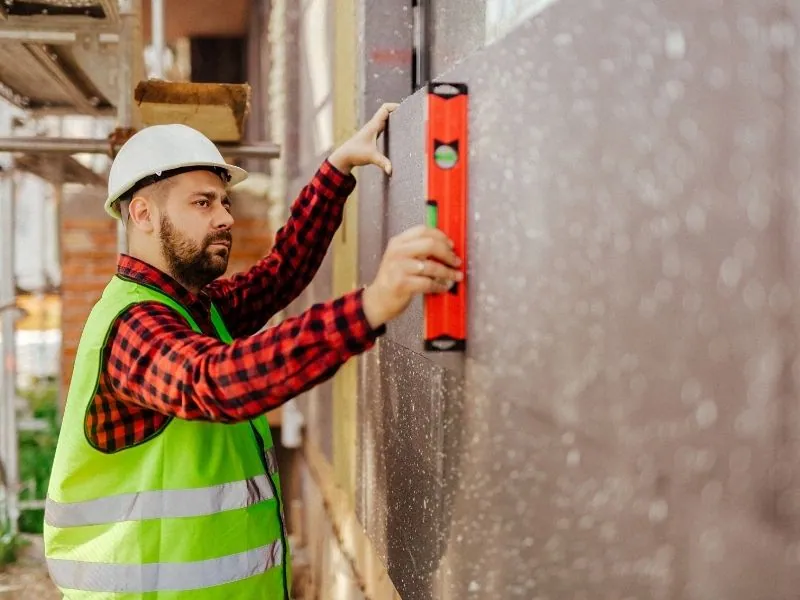
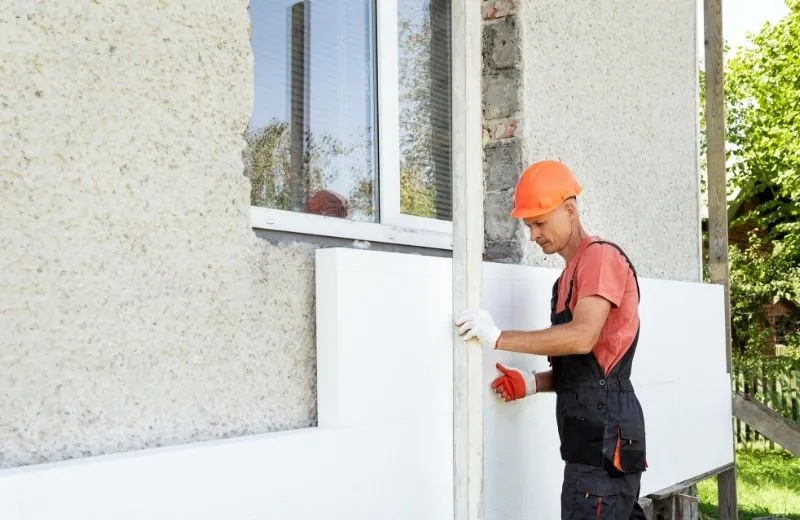
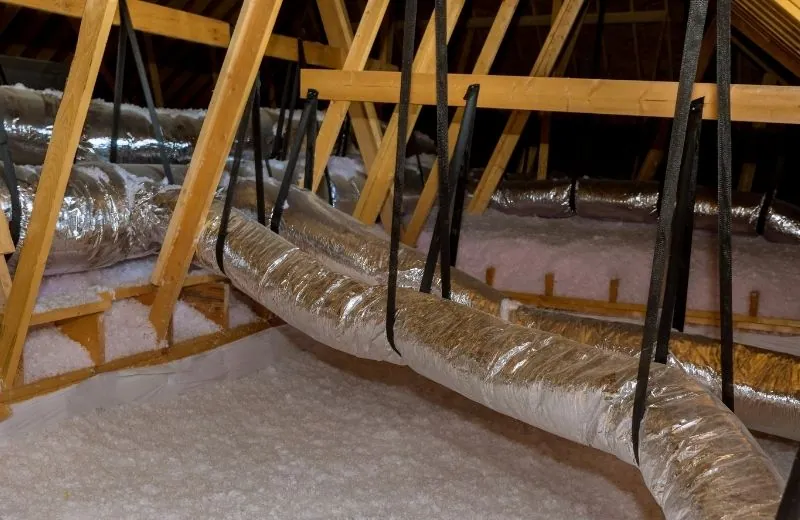
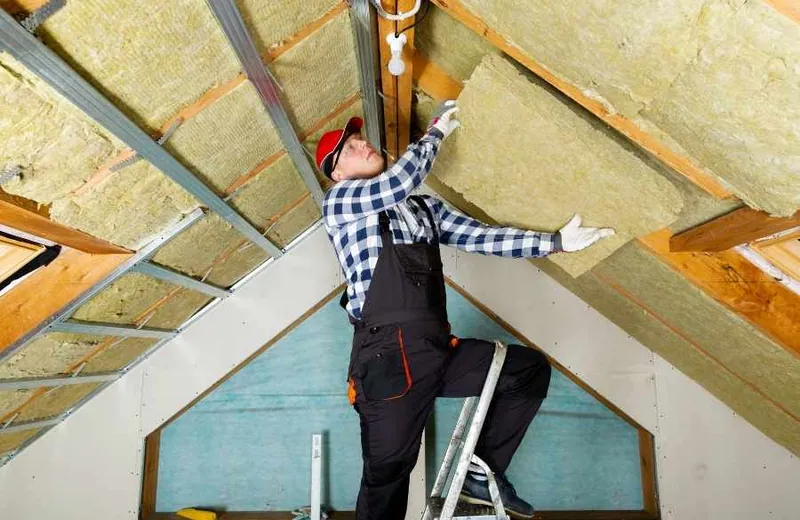
Recent insulation Projects in Lakewood, CA
Lakewood Insulation FAQs
How much does attic insulation cost for a typical Lakewood home?
For a typical 1,000–1,300 sq ft Lakewood ranch, adding blown-in insulation over clean existing material usually runs about $1,800–$3,500. If the old insulation is contaminated by rodents or badly compressed, full removal, cleanup, air sealing and new insulation typically costs $4,500–$8,500. The main variables are removal, how easy the attic is to work in, and how much air sealing your home needs. We'll give you a free, itemized quote after we've looked at the attic, and financing is available.
How long does an insulation project take?
Most attic top-offs and blown-in installs take one day. A full removal and replacement usually takes two to three days, because the attic has to be cleared, cleaned and sealed before new material goes in. Spray foam for a garage conversion or addition is usually one to two days. If asbestos testing or a permit is needed, add some lead time before the work date. During hot spells, we schedule attic work for mornings whenever possible.
Do I need a permit for insulation in Lakewood?
It depends on the scope. A straightforward attic insulation upgrade may not need one, but insulation that's part of an addition, a remodel, an HVAC replacement or a reroof can bring in permit, Title 24 and HERS verification requirements. Permits in Lakewood go through the city's building and safety function, which works with LA County. Requirements also vary by Energy Commission climate zone. We'll confirm what applies to your project and coordinate with the city when needed.
Should I add new insulation over the old, or remove it first?
If your existing insulation is dry, clean and free of rodent activity, adding new insulation over it is usually fine and saves money. Remove it first if there are droppings, nests, urine odor, water or smoke damage, or if the old material is hiding gaps that need air sealing. In many Lakewood attics, the original rock wool or early fiberglass has been disturbed for 70 years, so we'll show you photos and give you an honest recommendation either way.
What if my home has popcorn ceilings or old duct wrap?
That's very common in Lakewood's early-1950s homes. These materials can contain asbestos, and vermiculite insulation can too. If they're intact, they're generally stable, but they shouldn't be disturbed without testing. South Coast AQMD Rule 1403 and Cal/OSHA set the rules for surveys and abatement. If we see suspect material, we'll pause, arrange testing, and have any positive results handled by a licensed abatement firm before our work starts.
Is spray foam better than blown-in insulation?
Neither one is better in every situation. Blown-in insulation is the most cost-effective choice for most Lakewood attics and fills tight eave areas well. Spray foam costs more but air seals and insulates in one step, which makes it the stronger choice for garage conversions, low-slope roofs, enclosed patios and shallow wall cavities. It also helps reduce noise near the I-605, SR-91 and Lakewood Blvd. We'll recommend whichever one fits the space and your budget.
How can I keep my new insulation from getting damaged?
The biggest threat in Lakewood is roof rats. Keep tree limbs trimmed back from the roof, repair damaged eave and gable vent screens, and have entry points sealed before or during the insulation job. Ask roofers, electricians and HVAC techs to stay on walkways and put back any insulation they move. Glance into the attic once a year for droppings or flattened areas. Proper air sealing also keeps dust and fall wildfire smoke from collecting in the insulation.
When should I call an insulation contractor?
Call right away if you hear rodents in the attic or smell urine or musty odors. Contaminated insulation can affect indoor air. Otherwise, the best time to upgrade is spring, before the late-summer heat waves and SCE peak bills arrive. Other good triggers are hot back bedrooms, an AC that runs nonstop in the evening, visible joists in the attic, a planned HVAC replacement or reroof, or a garage conversion. Insulating at the same time as those projects saves money.
Serving Lakewood, CA & Nearby
Get Your Free Lakewood Insulation Quote Today
Don't spend another summer with hot back bedrooms and climbing SCE bills. Let us look at your attic, show you what we find, and give you an honest plan to fix it.
- ✓Free in-home assessment with photos of your attic
- ✓Clear, itemized written quote with no pressure
- ✓Bonded and insured crew that respects your home
- ✓Rodent cleanup and air sealing done right, not skipped
- ✓Help understanding Title 24, permits and current rebates
- ✓Financing available to fit your budget
- ✓Thorough cleanup and a final walkthrough
Bonded • Insured